Number Bases Explained: Why Ten Is Just a Habit
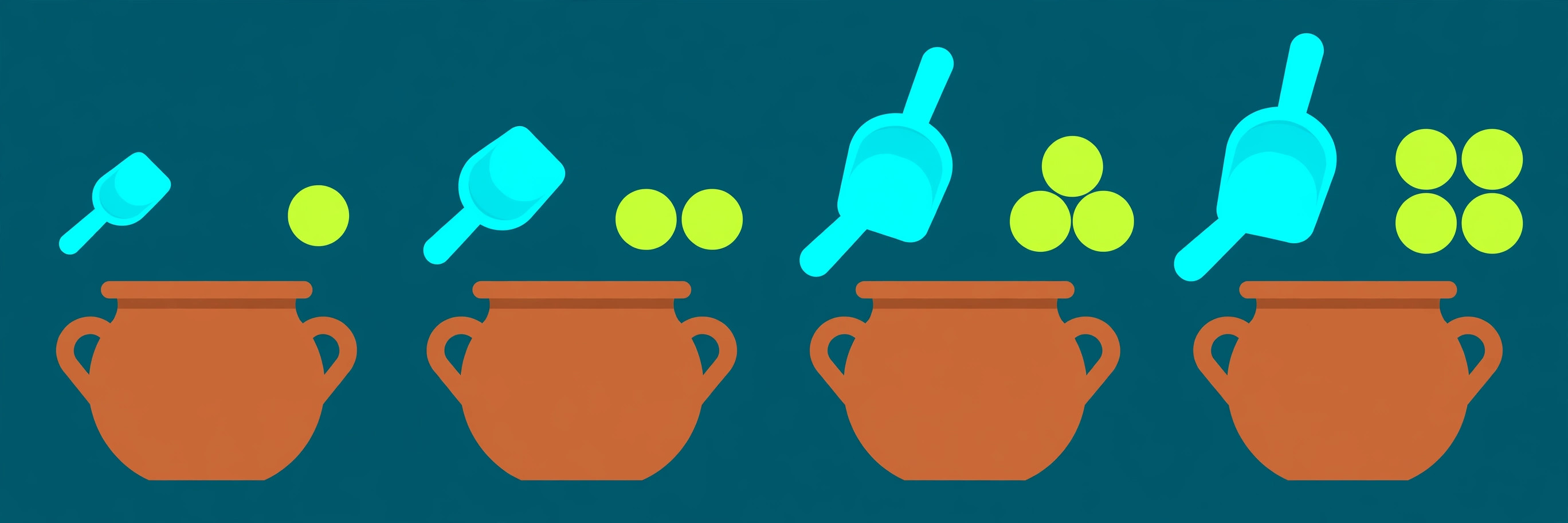
A base is just a grouping rule
A number base says how many digits exist and what each place is worth. Base ten gives ten digits and places worth 1, 10, 100. Base two gives two digits and places worth 1, 2, 4. The quantity does not change between bases, only its spelling. The number of days in two weeks is 14 in decimal, 1110 in binary, E in hexadecimal and 16 in octal, all the same fourteen. Humans settled on ten probably because of fingers. Nothing in mathematics prefers it, and computers, built from two state switches, settled on two. Every other base in computing is a translation layer between machine binary and human patience.
The working bases and their jobs
Binary is the native form, exact and verbose. Hexadecimal, base sixteen, compresses binary four bits per digit and rules memory addresses, colours and byte dumps. Octal, base eight, compresses three bits per digit and survives in file permissions. Decimal is the human interface, used wherever money, measurements and ordinary counting meet the machine. Base 36, digits plus all the letters, appears in short codes and links because it packs big values into few characters. Base 64, used to send binary data through text channels like email, stretches the idea further with 64 symbols. Each base survives because it fits its job: alignment with bits, compactness, or safety in a text only world.
Converting between any two bases
The universal method runs through value, not symbols. Read the source number place by place, multiplying by powers of its base, to get the plain quantity. Then rebuild that quantity in the target base by dividing repeatedly and collecting remainders. Software does this instantly and exactly for whole numbers of any size, which is why the converter here accepts any base from 2 to 36 and validates the digits: a value containing the digit 8 cannot be octal, and the letter G is legal only from base 17 upward. Fractions are where bases get genuinely tricky, since many tidy decimal fractions repeat forever in binary, which is a story of its own and the root of famous rounding surprises in software. Programmers have a joke that there are only 10 kinds of people: those who understand binary and those who do not. The joke lands because base is about notation, not knowledge, and 10 in binary is two. Keep that lightness about it. Nobody is born reading hex; people just meet it often enough that the translation fades into recognition. The converter below is the practise field: feed it the numbers from your own work and the bases will stop feeling like foreign languages.