RAW vs JPEG: What the Extra Megabytes Buy You
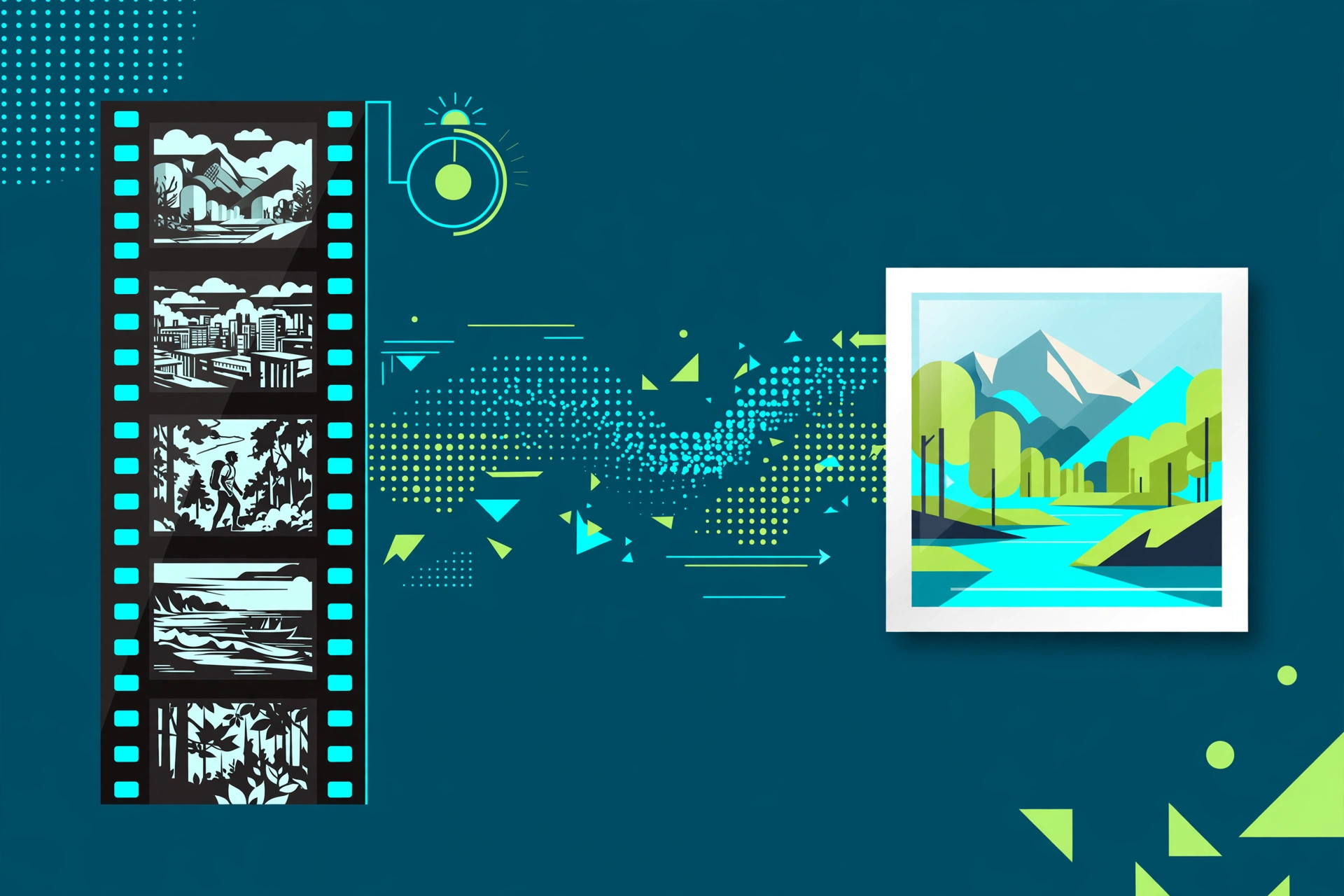
What each format actually holds
A camera sensor records raw light measurements. A raw file keeps nearly all of them, typically 12 to 14 bits per channel, giving deep room to adjust exposure, white balance and shadows later. A JPEG is the camera's finished interpretation: processed to 8 bits per channel, sharpened, colour graded and compressed with losses, in a file perhaps a tenth the size. Neither is the true image; they are different points on a trade between flexibility and convenience. Typical figures make the cost concrete: a 24 megapixel camera produces raw files around 30 to 45 MB and high quality JPEGs around 8 to 14 MB. The image size calculator shows the uncompressed truth behind both, 72 MB for that sensor at 24 bits.
When the extra data earns its space
Raw pays when light was difficult: a wedding with mixed lighting, a landscape with bright sky and dark foreground, any scene where the camera's guesses need overruling. Recovering a stop or two of exposure and resetting white balance without damage are things only the raw data permits. JPEG pays when the light was kind, the volume is high, or the destination is immediate sharing. Sports and news shooters often file JPEGs from the camera because speed is the assignment. Many cameras hedge with raw plus JPEG, writing both at the cost of the most storage of all. Storage is cheap and getting cheaper, but card space during a shoot and backup time afterwards are not free, so the choice is a workflow decision, not a purity test.
A sane policy for most people
Shoot raw for the photographs you would grieve, JPEG for the casual stream, and revisit the policy when your storage bill or your editing time complains. Whatever you choose, keep the originals untouched: edits should live in sidecar files or exported copies, because a JPEG re-saved repeatedly degrades, and a raw file is the closest thing photography has to a negative. For archiving, remember the ratio between the formats when you plan drives: a library of 50,000 raw files at 35 MB is 1.75 TB before backups, while the same library in JPEG is under half a terabyte. The compression ratio guide on this site explains how to measure your own library's real average instead of trusting these typical figures. Smartphones have quietly joined this argument with their own raw modes and high efficiency formats. A phone raw file can be 25 to 75 MB, while its standard HEIF or JPEG is 2 to 5 MB, a ratio even more extreme than cameras manage. The advice scales down unchanged: raw for the keeper shots and difficult light, the efficient format for the daily stream, and an archive habit that treats the originals, whichever they are, as untouchable once copied off the device.